<< Back
3 Nutrition Habits That Aren’t Actually Helping You
August 05, 2026
Eating healthy can seem impossible. One minute you’re intermittent fasting, the next you’re planning for a snack every two hours.
And while those habits might seem like an effective nutrition strategy, there’s a reason they aren’t always working as well as you expect.
“Many people are making well intentioned choices, but they’re missing key pieces of the puzzle,” says Ulysses Wu, MD, with Hartford HealthCare. “Nutrition isn’t just about what sounds healthy, it’s about how foods work together to support your body.”
So if your routine feels healthy but your results disagree, some of the nutrition habits you rely on may be ones that aren’t working.
1. Choosing “low-fat” or “diet” foods
Those healthy labels might feel reassuring, but they don’t always tell the full story.
“When fat is removed from foods, it’s often replaced with added sugars or refined carbohydrates to maintain flavor,” Dr. Wu says. “That can actually make the product less satisfying, less filling and more likely to spike your blood sugar.”
And often, those are the foods that won’t keep you full as long.
“Healthy fats play an important role in satiety and nutrient absorption,” Dr. Wu notes. “Without them, you may feel hungry sooner and end up eating more overall.”
No, that doesn’t mean you need to load up on fat, but it does mean that balance is key. So instead of focusing on labels, look for whole, minimally processed foods that include healthy, unsaturated fats like nuts, seeds, olive oil or avocado.
> Related: The Nutrition Mistakes You Didn’t Know You Were Making
2. Drinking your calories
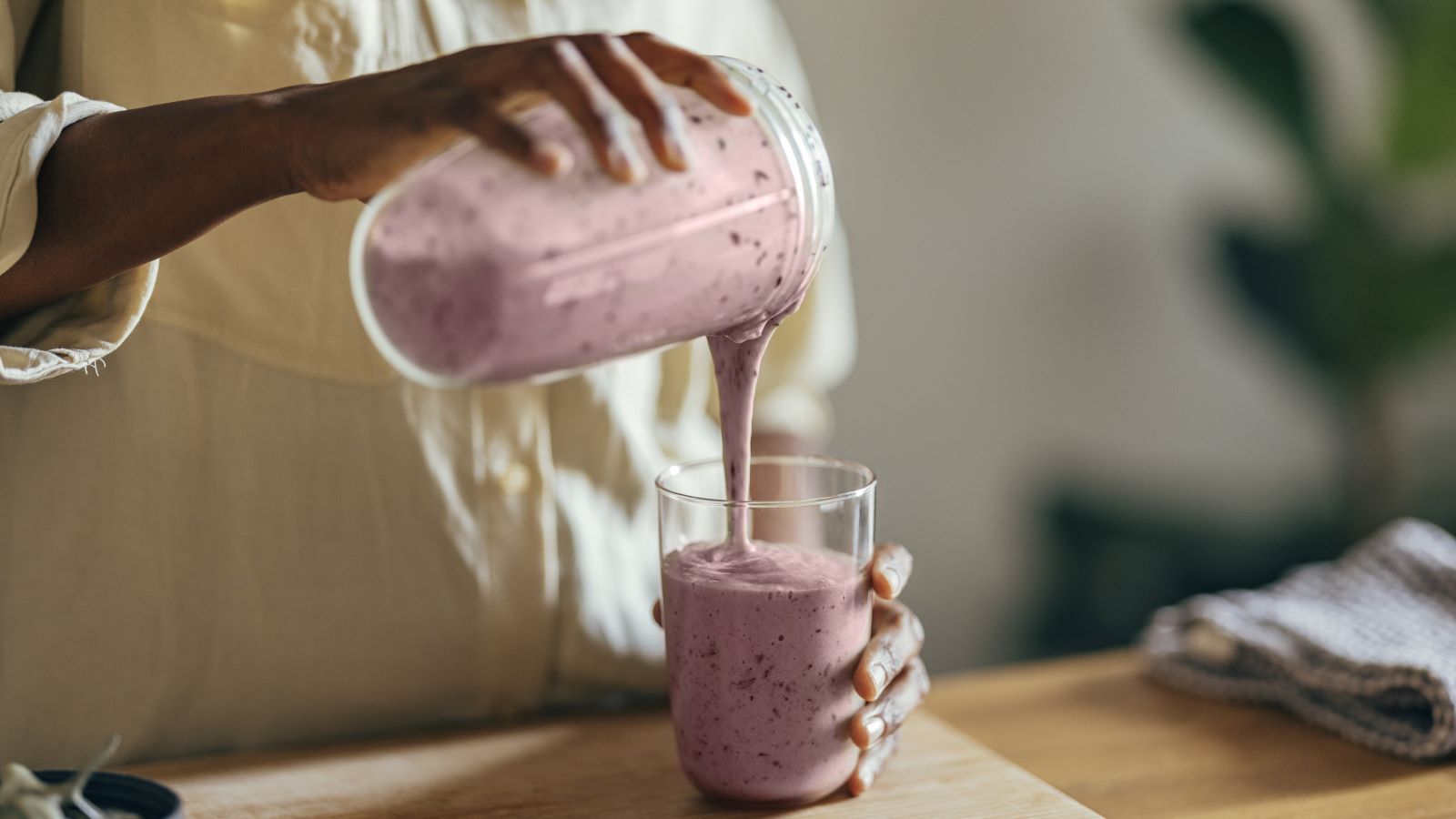
Sure, a morning smoothie sounds like a great idea. But the hidden calories in drinks can quietly add up.
“Beverages are one of the most common sources of hidden calories,” Dr. Wu says. “Even drinks that sound healthy can contain large amounts of sugar and calories without providing much satiety.”
That’s especially true of seemingly “healthy” smoothies, morning drinks that are more milkshake than coffee, and many alcoholic beverages.
“Black coffee, for example, has minimal calories. But once you add cream, sugar, syrup or milk, that 40 calorie cup of coffee can become 500 calories. The same is true with beer, which we used to think of as being closer to 100 calories, but today popular double IPAs can contain closer to 400 calories,” Dr. Wu cautions.
And because you’re not chewing, your body doesn’t always register those calories the same way.
“We also tend to drink our calories faster, meaning your body won’t have time to signal that it’s full. That means you may still feel hungry and eat a full meal on top of what you’ve already consumed,” Dr. Wu notes. “Over time, that can really add up.”
Try building smoothies with protein and fiber, limiting added sugars and paying attention to portion sizes. And whenever possible, prioritize whole foods over liquids.
3. Aiming for perfection
At first glance, eating clean sounds like the goal. Whole foods, simple ingredients, minimal processing. But sometimes, trying to eat perfectly can do more harm than good, especially if it means not eating enough.
“People who focus too heavily on clean eating may ultimately under fuel,” says Dr. Wu. “If you’re not getting enough calories or a balance of nutrients, your body may hold onto energy rather than use it efficiently.”
That can show up as fatigue, cravings or stalled progress.
“Your body needs enough energy to function properly, and that includes carbohydrates, fats and protein,” Dr. Wu notes. “Being too restrictive can keep you from getting the energy you need to get plenty of exercise and generally feel your best.”
That’s why a flexible approach that includes a variety of foods is often more effective in the long run.
> Related: Why Most Diets Fail – And What to Do Instead
Build habits that work to your advantage
Healthy habits shouldn’t be a source of frustration, especially when they aren’t working for your nutrition goals.
“Nutrition is less about restriction and more about balance, consistency and awareness,” Dr. Wu says. “Just remember to eat to be satisfied, not to follow a strict diet. You don’t want to eat healthy food only to indulge in treats later because you weren’t satisfied by your meal.”
If something isn’t working, it probably isn’t your effort – it might just be your approach.